
Introduction to Moroccan Mint Tea
What Is Moroccan Mint Tea?
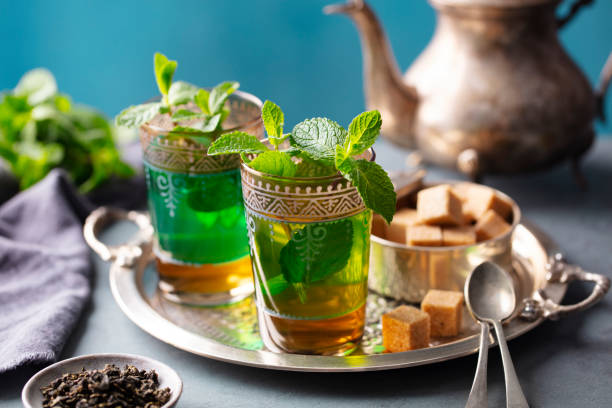
Moroccan mint tea, or Maghrebi mint tea, is a fragrant beverage. It blends green tea leaves, fresh mint, and sugar.
Its sweet herbal aroma draws people in easily. Its bright green color makes it visually appealing. It is popular across North Africa now.
Many serve it in small, clear glasses. This shows off its vibrant hue well. Each sip mixes sweetness and minty freshness. It refreshes the palate quickly.
It is more than just a drink for many. It acts as a symbol of hospitality. Sharing it means welcoming others warmly.
Brief History and Cultural Significance
This tea has deep roots in Moroccan culture. It dates back many centuries ago.
Traditionally, families brew it multiple times daily. They offer it to every guest who visits. The pouring process is a special ritual. It creates a frothy top on each glass.
It symbolizes friendship and connection. People share it during social gatherings. Weddings, family meals, and small talks all include it.
The mix of green tea and mint has purpose. Green tea brings health benefits known for years. Mint adds a cooling effect for hot days. Together, they reflect cultural wisdom.
Understanding Caffeine in Tea
How Caffeine Naturally Occurs in Tea Leaves
Caffeine is a natural compound in tea leaves. It is found in green, black, and white teas.
The tea plant produces caffeine to fend off pests. For humans, it works as a stimulant. It helps boost alertness and focus.
Green tea has a moderate caffeine level. It is not as strong as black tea or coffee. This makes it gentler for sensitive people.
Drinking green tea gives a steady energy boost. The caffeine releases slowly into the body. It avoids the quick spike of coffee. Many prefer this calm energy.
Factors That Affect Caffeine Levels in Tea
The type of tea leaves impacts caffeine amounts. Younger leaves have more caffeine than older ones. Leaves from the plant’s top are richer in it.
Harvest season changes caffeine content too. Spring-harvested tea often has more caffeine. Rainy seasons can increase its levels. Dry seasons may lower them slightly.
Brewing time directly affects final caffeine. Longer steeping pulls more caffeine from leaves. Shorter steeping keeps levels lower. Drinkers can adjust this easily.
Water temperature plays a key role. Hotter water extracts caffeine faster. Cooler water takes more time and gets less. This is why some teas need specific temperatures. Even the same tea type can vary in caffeine. All these factors combine to cause differences.
Does Moroccan Mint Tea Have Caffeine?
Traditional Preparation Methods and Their Impact on Caffeine
Moroccan mint tea uses green tea as its base. Since green tea has caffeine, this tea does too.
Traditional preparation uses short, multiple steeps. Each steep lasts just a few minutes. This method does not extract all caffeine. The result is a milder effect.
Mint is added in large quantities. It balances the green tea’s bitterness. It also softens caffeine’s stimulating feeling. Drinkers feel refreshed more than energized.
Sugar is another key ingredient. It counteracts any harshness from caffeine. It makes the drink feel lighter on the body. Even with caffeine, it feels gentle.
Comparing Moroccan Mint Tea to Green and Black Tea
A cup of Moroccan mint tea has less caffeine than black tea. Black tea usually has 40–70 mg per cup. This mint tea has 15–30 mg per glass.
It has slightly more caffeine than herbal teas. Most herbal teas have no caffeine at all. This small amount offers a tiny energy boost. It does not cause strong effects.
Regular green tea has more caffeine than this mint tea. Standard green tea has 20–45 mg per cup. The mint and short steeps lower the mint tea’s levels. This makes it easier to drink.
Many enjoy it in the afternoon. It provides enough energy to finish the day. It does not disrupt evening sleep. Its timing fits well with daily routines.
Health Benefits and Considerations
Benefits of Moroccan Mint Tea Beyond Caffeine
Moroccan mint tea aids digestion after meals. The mint soothes the stomach gently. It reduces feelings of fullness or discomfort.
It has antioxidants from green tea leaves. These antioxidants support overall health. They may protect cells from damage over time. Drinking it regularly adds these benefits.
The tea may help reduce stress. Sipping a warm drink is calming on its own. The mint’s aroma relaxes the mind further. It is a simple break during busy days.
Green tea’s polyphenols support heart and brain health. These compounds are good for daily diets. The mint tea makes getting them easy. It combines health with great taste. It is a better choice than sugary drinks. Many pick it over soda or sweet juices. It satisfies sweet cravings with less sugar.
Who Should Monitor Their Caffeine Intake
People sensitive to caffeine need to watch their intake. Even small amounts can cause jitters or anxiety. They should limit to one glass a day.
Pregnant women should moderate caffeine. Doctors often advise limiting it during pregnancy. This tea’s low levels are better than coffee. But it still needs balance.
Those with heart conditions must be careful. Caffeine can affect heart rate in some cases. Checking with a doctor first is wise. It ensures safety for individual health.
People with sleep issues should avoid it late. Even mild caffeine disrupts sleep cycles. Drinking it only in morning or afternoon is better. Children and teens need to limit intake too. Their bodies are more sensitive to caffeine. Caffeine-free alternatives are safer for them.
Tips for Enjoying Moroccan Mint Tea
Making It Stronger or Milder
Adjusting steeping time changes the tea’s strength. Longer steeping makes it stronger in flavor and caffeine. Shorter steeping keeps it mild and refreshing.
Changing the tea-to-mint ratio affects taste and caffeine. More green tea means more caffeine and stronger flavor. More mint lowers caffeine and adds freshness. Finding the right mix is personal.
Using more or less sugar alters the experience. More sugar hides the tea’s bitterness. Less sugar lets mint and green tea flavors stand out. This is a personal choice.
Trying different water temperatures fine-tunes the cup. Hotter water extracts more flavor and caffeine. Cooler water creates a smoother, lighter drink. Making it milder is great for hot afternoons. It cools the body and hydrates without heaviness. It is perfect for outdoor gatherings.
Caffeine-Free Alternatives
Herbal mint infusions are great caffeine-free options. They use only mint leaves and hot water. They have the same fresh flavor as the original.
Rooibos-based Moroccan-style teas have no caffeine. Rooibos is a smooth herbal tea. Mixing it with mint copies the original flavor. It keeps the ritual without caffeine.
Chamomile and mint blends offer calm alternatives. Chamomile adds a gentle floral note. Mint keeps the fresh feeling of the original. It is ideal for evening drinking.
Peppermint tea alone is a simple option. It has the strong mint flavor many love. It can be sweetened like Moroccan mint tea. These alternatives keep the cultural ritual alive. Preparing them the same way maintains tradition. Serving in small glasses keeps the experience real. It lets everyone join, no matter caffeine needs.
Conclusion
Key Takeaways About Caffeine in Moroccan Mint Tea
Moroccan mint tea has caffeine in moderate amounts. Its green tea base ensures this presence. It is lower than black tea or coffee.
It has less caffeine than black tea but more than herbal teas. A typical glass has 15–30 mg of caffeine. Black tea has 40–70 mg per cup. This makes it a balanced choice.
Green tea and mint together soften caffeine’s effects. Mint adds a cooling, calming touch. It prevents jitters from stronger drinks. Even with caffeine, the tea feels gentle.
Its caffeine level gives a mild energy boost. It helps with alertness without overstimulation. It is perfect for a small daily pick-me-up. It fits well into most routines.
Final Thoughts on Enjoying This Popular Tea
Moroccan mint tea is more than a caffeinated drink. It is part of a rich cultural tradition. Every step of making and serving has meaning.
It can be enjoyed in many settings and times. Morning cups start the day gently. Afternoon sips refresh during busy schedules. Evening glasses work for non-sensitive drinkers.
Knowing its caffeine content helps drink responsibly. People can adjust intake to their needs. They can choose when to drink it for best results. This knowledge lets everyone enjoy it safely.
It is a tea that brings people together. Sharing it builds connections and shows hospitality. Its flavor and tradition make it loved worldwide. It will remain a favorite for years to come.